
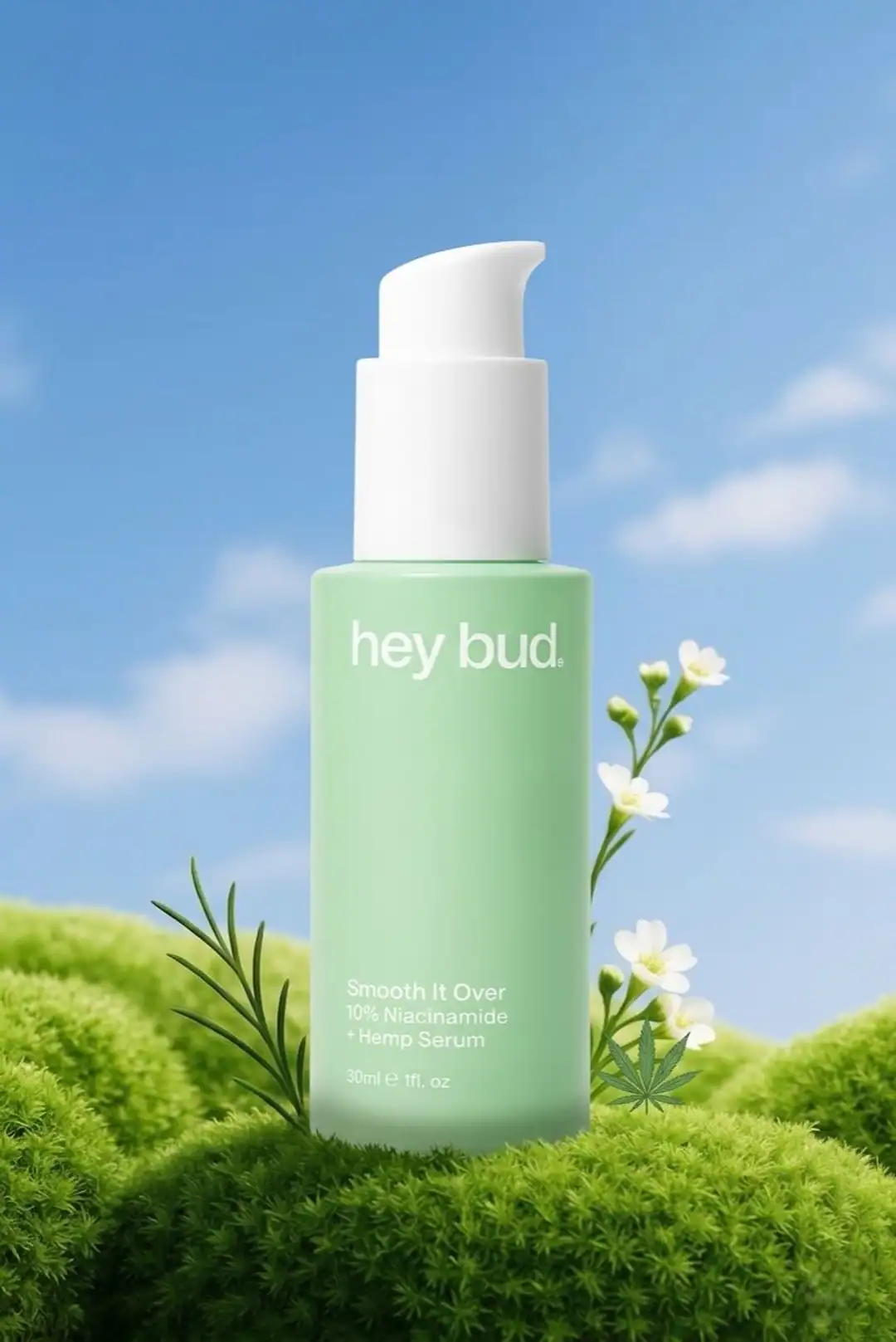
"AI slop" has become shorthand for synthetic content that feels cheap, repetitive, inaccurate, or made without a point of view. For product brands, that problem is commercial. A polished image can still weaken trust if the packaging is wrong, the scene looks like every competitor, or ten campaign assets feel as if they came from ten different brands.
The answer is not to avoid AI. It is to stop treating generation as the creative strategy. AI product photography and AI campaign imagery become useful when they sit inside a human-led system: a clear brand idea, visual rules, product evidence, careful selection, retouching, and honest decisions about where synthetic imagery belongs.
That distinction is becoming more important as AI enters mainstream commercial photography. Recent Vogue reporting describes a market splitting between cost-driven production and work valued for human creativity, craft, and authorship. The technology is becoming more available; recognizable taste is not.
Build a visual system
Need more than isolated AI images?
Pixelense develops reference-led campaign imagery and repeatable visual direction for growing product brands.
The seven warning signs of generic AI brand imagery
- The product changes between frames. Labels, closures, proportions, colors, ingredients, or materials drift away from the supplied reference.
- The aesthetic could belong to anyone. Glossy liquid, floating fruit, chrome spheres, and dramatic gradients appear without a brand-specific reason.
- Every image is a different idea. The lighting, palette, camera angle, set design, and emotional tone reset with every prompt.
- There is no channel logic. A beautiful 16:9 concept is produced even though the brand needs a product-page gallery, a 4:5 ad, and a mobile landing-page crop.
- Quantity replaces selection. The team publishes too many acceptable outputs instead of choosing a small set of strong, connected images.
- Errors survive because the image looks impressive. Hands, reflections, typography, shadows, product scale, and background objects are not checked closely.
- The use of AI creates a misleading claim. A synthetic person appears to endorse a product, an ingredient is shown inaccurately, or a generated result is presented as documentary evidence.
A human-led framework for AI visual production
1. Start with the brand input, not a prompt
Collect the product reference, packaging artwork, current website, audience, category conventions, launch goal, channel list, and examples of what the brand wants to become. The brief should explain the commercial moment before it describes the scene.
2. Define a visual territory
Turn taste into rules. Define light quality, palette, surface materials, camera distance, product scale, negative space, prop behavior, casting direction, texture, and retouching. A visual territory is specific enough to guide production but broad enough to create a full campaign.
3. Protect product truth
List what cannot change: shape, cap, label hierarchy, logo position, material, color, variant, included accessories, and regulated text. Use the original artwork in post-production when generated text is not reliable. Keep clean product photography available wherever the buyer needs direct evidence.
4. Generate for a shot system
Do not ask for random variety. Build a shot list: hero campaign image, product-first detail, lifestyle scene, ingredient or material story, social crop, ad variant, and landing-page banner. Each image should have a job and belong to the same world.
5. Curate and retouch with a human eye
Selection is where much of the value lives. Reject images that are merely attractive but off-brand. Retouch packaging, reflections, edges, shadows, anatomy, color, and composition. Compare the final candidate with both the product reference and the other images in the campaign.
6. Disclose when context requires it
Disclosure is especially important when a synthetic image could change how a customer interprets evidence, endorsement, fit, performance, ingredients, location, or documentary reality. Preserve platform metadata and create an internal policy so the decision is consistent rather than improvised.
7. Measure the system, not the novelty
Track whether the work improves qualified attention, product understanding, click-through, conversion, creative testing speed, and brand recall. Do not assume an image performs because it uses AI or because it looks expensive. Test it against the business job it was designed to do.
When real photography is the better tool
A responsible AI visual content agency should be willing to say when AI is the wrong production method. Use verified photography when exact fit, texture, safety, movement, one-of-one craftsmanship, clinical evidence, legal claims, or a real person's experience is central to the sale. Hybrid production is often stronger than an all-or-nothing choice.
For example, a brand might photograph the exact product and packaging in controlled light, then use AI-assisted production to extend the environment, explore campaign worlds, or create channel variants. The customer receives accurate product evidence and the marketing team gains creative range.
The pre-publish checklist
- Does the product match the approved reference and exact SKU?
- Could this image belong to a competitor if the logo disappeared?
- Does it follow the campaign's light, color, texture, and framing rules?
- Is the crop designed for a real page, placement, or advertising format?
- Have typography, reflections, shadows, anatomy, and background details been checked?
- Does the image imply a claim, endorsement, location, or event that did not happen?
- Would a clear disclosure help the audience interpret the image honestly?
- Is real photography required for any detail the customer must verify?
AI product photography
Want a practical recommendation for your product?
Share the product, sales channel, deliverables, and timing. Pixelense will recommend the clearest scope without changing the published starting rates.
What this means for growing product brands
The competitive advantage is not access to an image model. Your competitors can access similar tools. The advantage is a visual system they cannot copy easily because it comes from your product, customer, positioning, references, and human creative judgment.
Pixelense approaches this through brand visual worlds, AI campaign imagery, and AI product photography services. You can also review the full human-led production process and see how work is labeled in the case studies.
Sources and further reading
- Vogue Business: 2026 fashion-tech predictions and the value of human creativity
- Vogue: How commercial photographers are adapting to AI
- Google Search Central: creating helpful, reliable, people-first content
FAQ
What does AI slop mean for a product brand?
It means high-volume synthetic content with weak direction, generic styling, visible errors, or no connection to the brand. The problem is missing judgment, not simply the use of AI.
How can a brand make AI product images look consistent?
Define repeatable rules for light, color, materials, composition, camera behavior, product scale, casting, and retouching. Review every final image against those rules and the original product reference.
When should a brand use real photography instead?
Use verified photography when exact product evidence, regulated claims, fit, texture, safety, one-of-one details, or documentary authenticity are central to the customer's decision.
Human-led AI production
Build imagery that looks like your brand, not the tool.
Share your product, current brand, launch date, and channel mix. Pixelense will recommend the right starting engagement.
AI product photography
Request a project-fit review for your next image set.
Share the product, sales channel, deliverables, and timing. Pixelense will recommend the clearest scope without changing the published starting rates.