
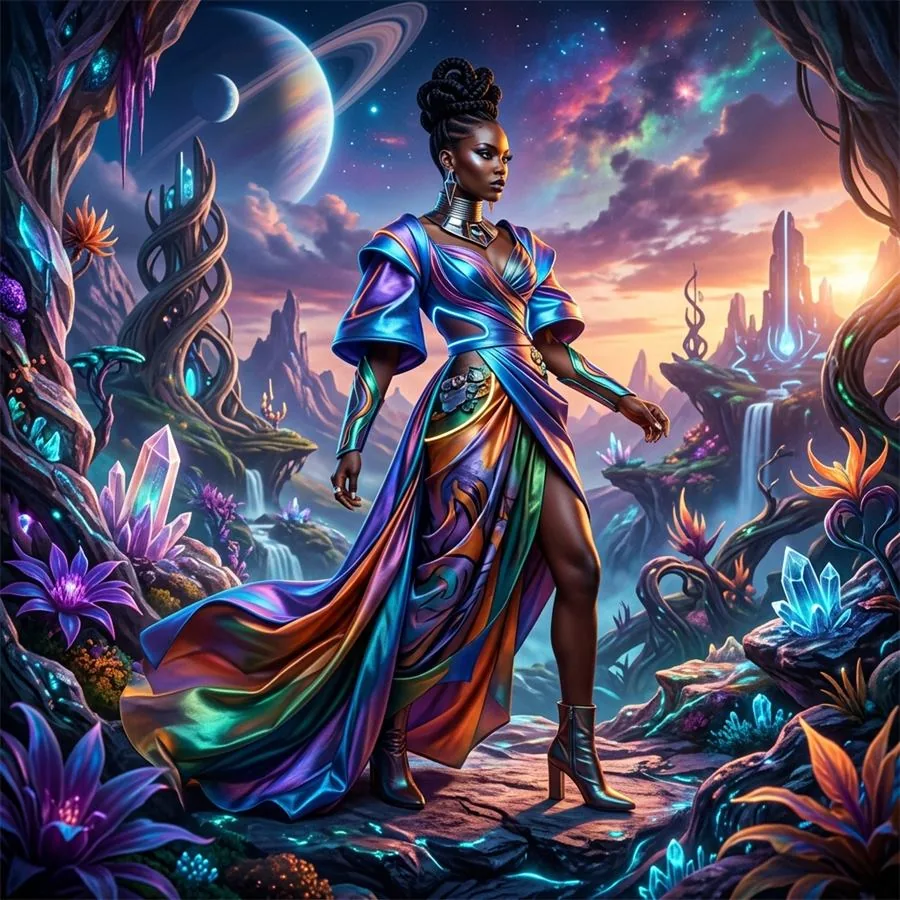
Fashion photography demands precision, style, and an eye for detail. Creating compelling fashion and beauty imagery with AI requires understanding both fashion industry aesthetics and effective prompt engineering. This guide shares professional techniques for generating editorial-quality fashion content.
Fashion product photography
Want a practical recommendation for your product?
Share the product, sales channel, deliverables, and timing. Pixelense will recommend the clearest scope without changing the published starting rates.
Understanding Fashion Photography with AI
Fashion photography is uniquely challenging because it involves multiple interrelated elements: garment presentation, model positioning, makeup artistry, lighting mood, and overall aesthetic coherence. Success requires attention to every detail.
AI advantage: You can generate unlimited fashion variations, test different styling approaches instantly, and maintain complete creative control—something impossible in traditional photography shoots.
Essential Components of Fashion Photography
1. The Garment
Garment description is foundational. Include:
- Fabric type: Silk, linen, cotton, cashmere, leather, etc.
- Garment qualities: Draped, fitted, structured, flowing
- Details: Seams, stitching, embellishments, textures
- Condition: Pristine, well-styled, dynamic folds
- Color: Specific color names or hex codes for consistency
2. Model Presentation
How the model is positioned and presented:
- Pose: Standing, seated, walking, dynamic, editorial
- Expression: Serious, smiling, engaged, mysterious
- Ethnicity/representation: Specific or diverse
- Body type: Important for accurate representation
- Hair & makeup: Style, texture, makeup aesthetic
3. Styling & Accessories
- Footwear: Heels, flats, boots, styling implications
- Jewelry: Specific pieces or style direction
- Hair styling: Updo, down, waves, edge details
- Makeup approach: Natural, glam, editorial, artistic
- Overall aesthetic: Luxury, minimalist, bohemian, avant-garde
4. Photography & Lighting
- Lighting style: Studio, natural, dramatic, soft
- Photography reference: Vogue, editorial, runway, street style
- Angle: Full-length, three-quarter, close-up detail
- Background: Clean studio, editorial, lifestyle context
- Mood: High-fashion, editorial, accessible, luxury
Fashion Photography Prompt Formula
Complete Professional Example:
Advanced Techniques for Fashion Photography
Fabric Simulation and Texture
Fabric appearance is crucial. Include specific descriptors:
- Silk: "Lustrous with subtle sheen," "flowing and draping beautifully"
- Linen: "Textured natural weave," "slightly wrinkled for authenticity"
- Cotton: "Soft and comfortable appearance," "natural texture visible"
- Leather: "Glossy finish," "structured and professional"
- Knit: "Fitted and form-hugging," "visible knit texture but smooth"
Creating Dynamic Movement
Motion and flow make fashion images compelling:
Lighting Moods for Different Styles
For Luxury/Minimalist:
For Editorial/Artistic:
For Lifestyle/Accessible:
Creating Consistent Fashion Collections
When creating multiple looks for a collection, maintain consistency:
Consistency Framework:
- Use same model or similar representation across looks
- Maintain consistent lighting approach (even if moods vary)
- Keep similar photography angle or perspective
- Maintain consistent color grading style
- Establish a clear aesthetic direction (luxury, minimalist, trendy, etc.)
Beauty Photography Specialization
Makeup Focus:
Skincare/Wellness:
Industry-Proven Fashion Prompts
For Luxury Brands:
For Fast Fashion/Trendy:
For Runway/Haute Couture:
Common Fashion Photography Mistakes
- Vague garment descriptions: "A dress" generates poor results; specify every detail
- Inconsistent models: Use consistent model descriptions for unified collections
- Poor fabric simulation: AI struggles with complex fabrics without specific guidance
- Unflattering angles: Specify professional fashion photography angles
- Clashing aesthetics: Luxury styling with street-style context creates discord
- Inadequate detail: Each element needs attention; vagueness creates mediocrity
Pro Tips for Fashion Shoot Success
- Mood Boards: Create visual references for consistent styling direction
- Color Palette: Specify hex codes for consistent color reproduction
- Reference Photography: Include specific photographer or magazine references
- Batch Similar Looks: Generate variations of similar outfits together
- Test Lighting: Generate same outfit under different lighting to find optimal mood
- Detail Variations: Test accessories, makeup, and styling variations systematically
- Post-Processing Consistency: Apply consistent editing to maintain collection cohesion
Tools and Resources
- Fashion inspiration: Pinterest, Instagram fashion accounts, Vogue, Harper's Bazaar
- Trend research: Fashion forecast reports, trend blogs, runway reviews
- Color tools: Pantone color of the season, Adobe Color, ColorHexa
- Photography references: High-fashion brands' campaign photography
Conclusion
Fashion photography with AI represents an unprecedented opportunity for brands, designers, and content creators. What once required expensive shoots, professional models, and specialized expertise is now accessible to anyone with a vision and the ability to articulate it effectively.
By mastering these techniques, you'll create fashion content that rivals professional editorial photography—opening possibilities for personal brands, small businesses, and creative professionals to compete at the highest levels.
The key is in the details. Fashion photography succeeds through meticulous attention to every element—garment, styling, lighting, and presentation. Focus there, and you'll generate content that commands attention.