
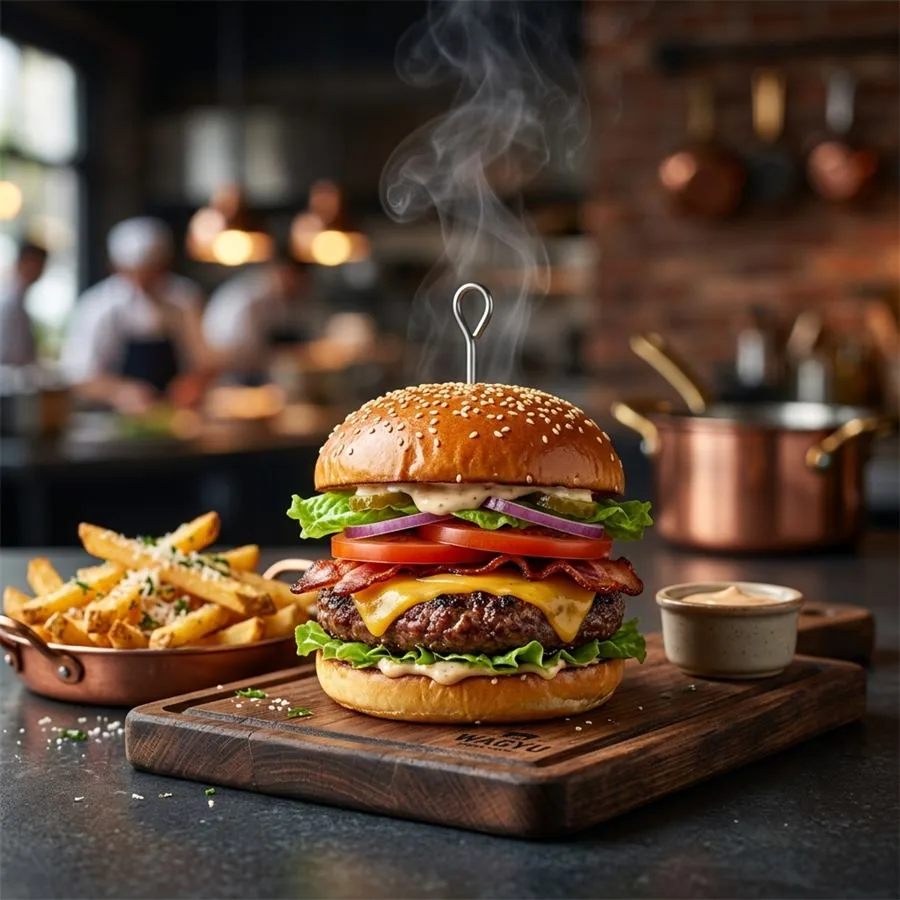
Food photography is an art form that demands precision, creativity, and technical expertise. With AI-powered image generation, you can now produce restaurant-quality food photography without expensive equipment or professional shoots. This comprehensive guide reveals the secrets to creating stunning, mouth-watering food images using AI.
Food and beverage photography
Want a practical recommendation for your product?
Share the product, sales channel, deliverables, and timing. Pixelense will recommend the clearest scope without changing the published starting rates.
Understanding Food Photography with AI
AI food photography differs from traditional photography in key ways. While traditional photography captures existing food, AI generates photorealistic images from descriptions. This gives you unprecedented control over every element—perfectly placed garnishes, ideal lighting conditions, and impeccable plate presentation.
Key advantage: You can create unlimited variations of dishes without food waste, reshoots, or the costly overhead of professional food photography studios.
The Essential Elements of AI Food Photography
1. Lighting Setup
Lighting is everything in food photography. Specific lighting directions create different moods and highlight different food textures:
- Golden Hour Lighting: Warm, soft light ideal for comfort foods and rustic presentations
- Soft Box Diffused Light: Professional studio look for luxury dining establishments
- Rim Lighting: Highlights food edges for dramatic, high-end appeal
- Natural Window Light: Fresh, authentic appearance perfect for organic and healthy food brands
2. Composition Techniques
Professional food photographers use proven compositional rules:
- Rule of Thirds: Place the main dish off-center for visual interest
- Depth of Field: Background blur makes the dish the clear focal point
- Overhead Shots: Perfect for flat foods, salads, and plated arrangements
- 45-Degree Angle: Shows dish height and texture beautifully
- Close-ups: Emphasize texture, freshness, and quality of ingredients
3. Styling and Plating
The way food is presented dramatically impacts the final image:
- Garnishes: Fresh herbs, seeds, or edible flowers add color and sophistication
- Plate Selection: Color and size should complement, not compete with the food
- Component Placement: Each element should have visual purpose and intentional placement
- Food Freshness Indicators: Steam, moisture, or glistening surfaces suggest quality
- Negative Space: Strategic empty space creates elegance and focus
AI Food Photography Prompt Formula
Complete Example:
Advanced Techniques for Food Photography
Creating Texture and Dimension
Food's tactile qualities matter enormously. Include texture descriptions in your prompts: "crispy golden crust," "juicy and succulent," "creamy and smooth," "fresh and crisp."
Color Psychology
Colors evoke emotions. Warm tones feel cozy and inviting, cool tones feel fresh and clean. Align your color palette with your brand's messaging:
- Warm tones: Traditional, comfort, luxury
- Cool tones: Fresh, healthy, modern
- Vibrant tones: Bold, exciting, trendy
- Muted tones: Sophisticated, premium, artisanal
Context and Ambiance
Food doesn't exist in a vacuum. Include background context that tells a story:
Common Food Photography Mistakes
- Overly complicated plates: Simplicity often photographs better. Let the food be the star.
- Wrong serving size: Ensure the plate size looks realistic and appetizing
- Clashing colors: Colors should complement, creating visual harmony
- Unclear main subject: Ambiguous composition confuses viewers about what to focus on
- Uninspired backgrounds: Thought-out backgrounds enhance, not distract from, the food
- Unappetizing lighting: Poor lighting can make delicious food look unappetizing
Industry-Specific Prompt Templates
For Restaurant Menus:
For E-Commerce Food/Beverage:
For Social Media Content:
Pro Tips for AI-Generated Food Photography
- Consistency across variations: Make small prompt adjustments to maintain menu cohesion
- Test lighting angles: Generate same dish under different lights to find the best look
- Document successful recipes: Save complete prompts that produce excellent results
- Ingredient specificity: Exact ingredients produce better results than generic descriptions
- Cuisine accuracy: Research authentic plating for regional cuisines
- Seasonal variations: Adjust garnishes and colors to match seasons
- Batch consistency: Generate multiple images to select the absolute best
Tools and Resources
- AI Image Generators: Midjourney, DALL-E, Stable Diffusion
- Reference Resources: Food styling books, restaurant photography collections on Pinterest
- Learning: Online food photography courses, culinary art publications
- Inspiration: Michelin restaurant websites, high-end food magazines
Conclusion
AI food photography represents a democratization of professional food imaging. What once required expensive shoots, professional equipment, and specialized expertise is now accessible to restaurants, food brands, and content creators worldwide.
By mastering the principles of lighting, composition, plating, and thoughtful prompting, you can create food photography that rivals professional studios—at a fraction of the cost and time investment.
Start with our formula templates, experiment with variations, and gradually refine your approach. Soon, you'll develop an intuition for what creates truly compelling food imagery.