
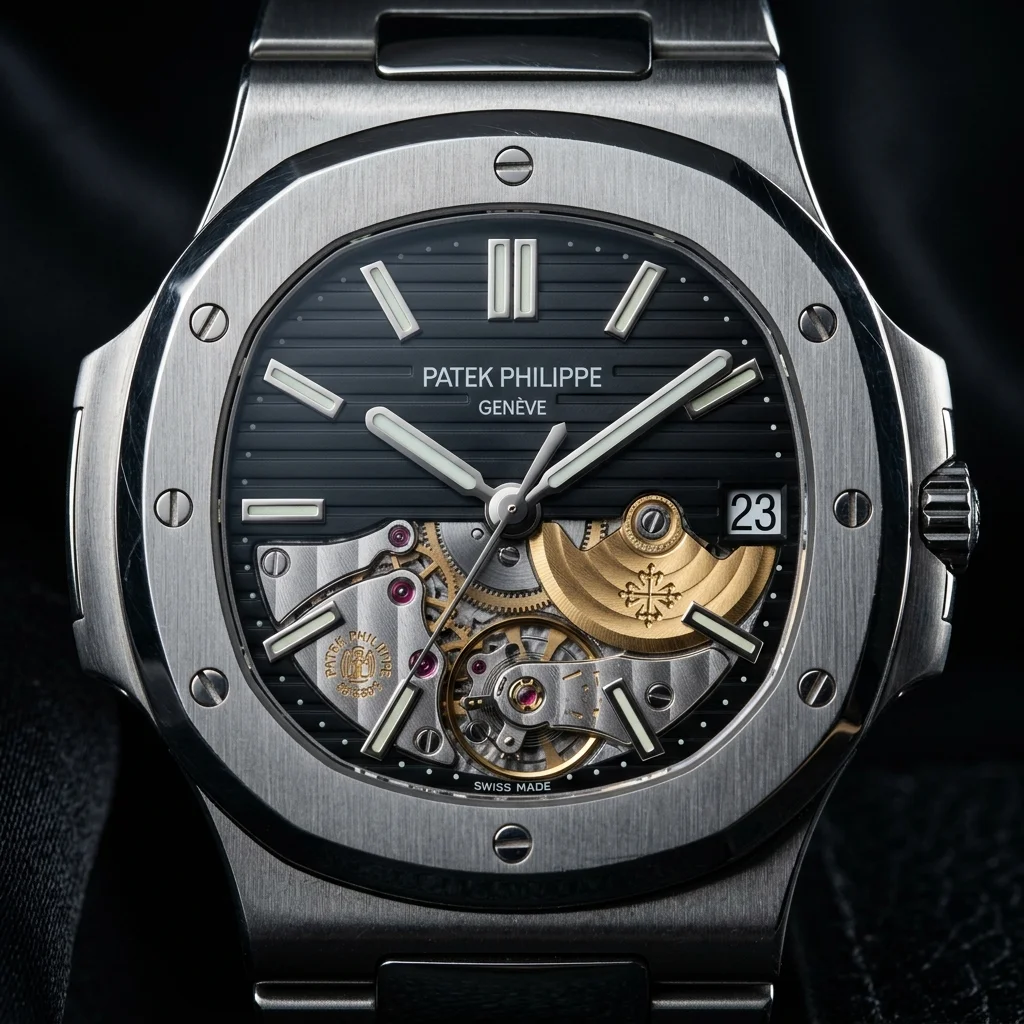
Ecommerce teams need more visual formats than a single studio shoot was traditionally designed to provide: product-page galleries, marketplace assets, collection banners, email creative, social posts, and paid-ad variants. AI product photography can help expand that production range when it is directed and reviewed by people who understand the brand and product.
This article examines why brands are adding AI-assisted production to their workflow. It does not require abandoning physical photography. For many teams, the strongest model is hybrid: verified photography for product evidence and AI-assisted campaign production for controlled creative expansion.
AI product photography
Want a practical recommendation for your product?
Share the product, sales channel, deliverables, and timing. Pixelense will recommend the clearest scope without changing the published starting rates.
The Content Volume Problem
The single biggest challenge facing e-commerce brands is content volume. A Shopify store needs hero shots, lifestyle imagery, collection banners, social media assets, email campaign visuals, and seasonal variations. Multiply across every SKU, platform, and market — the content requirement becomes staggering.
A fashion brand launching four seasonal collections with 80 products per collection would need 1,600 files if it planned five images per SKU, before adding campaign crops or advertising variants. The exact production budget depends on styling, locations, models, complexity, and finishing, so brands should compare real quotes against a defined deliverable list.
The appeal is not simply lower production cost. It is the ability to plan more channel-specific assets without rebuilding a physical set for every variation.
Scaling Creative Testing at Minimal Cost
E-commerce success is built on testing. Which background converts better on mobile? Which lifestyle context resonates with your target audience? Does a flat-lay outperform an in-context lifestyle shot for your product category?
AI-assisted production can create multiple controlled variations from one approved direction. That turns visual content into a testable marketing variable, but only selected, retouched, product-accurate assets should reach the customer.
Example: a skincare brand tests whether their moisturiser converts better on marble, wood, or a bathroom counter. With traditional photography, that's three setups — three times the cost. With AI, it's a single brief with three scene descriptors at negligible additional cost.
Eliminating Logistical Complexity
Traditional product photography involves a logistics chain most brand managers underestimate. Products need shipping to the studio. Shoots need scheduling weeks in advance. Props need sourcing. Someone needs to attend or coordinate remotely. And if images don't match the brief? The entire process repeats.
For international brands, the logistics multiply: international shipping, time zones, customs clearance — all before a single image is captured.
AI photography eliminates this entirely. Photograph your product with your phone, submit reference images digitally, receive studio-grade files digitally. No shipping, no scheduling conflicts, no physical coordination.
Visual Consistency at Scale
When a brand produces images across multiple shoots, photographers, and seasons, visual inconsistencies creep in. Different lighting, different editing styles, different equipment — the catalogue looks disjointed.
AI photography solves this structurally. Once creative direction is established — lighting, colour temperature, composition, surfaces — it applies uniformly to every image. The 200th image looks as consistent as the first. For marketplace sellers on Amazon and Shopify, consistent visual language communicates quality and trust.
Read our guide on consistent product photos without a photographer for deeper strategies.
Sustainability in Content Production
Remote production can reduce some physical inputs, including travel, shipping, temporary set construction, and single-use props. It still uses computing infrastructure and should not be presented as impact-free without a proper lifecycle assessment.
Brands with sustainability commitments should describe specific operational changes they can verify rather than making broad environmental claims about the medium.
Seasonal and Regional Content Adaptation
Brands selling internationally need imagery that resonates locally. A summer campaign in Australia runs during winter in Europe. Lifestyle scenes that feel aspirational in the US may not translate to Middle Eastern or Asian audiences.
AI photography produces market-specific variations from a single product reference. The same product placed in an Australian patio scene and a Scandinavian interior within the same brief. For brands expanding internationally, this capability accelerates market entry significantly. Read more in our guide on AI photography for global brands.
The Competitive Pressure
The competitive pressure comes from teams learning to test and adapt creative faster, whether they use AI, traditional production, or both. The practical question is not whether every competitor has switched; it is whether your current workflow can supply accurate, distinctive assets for the channels you operate.
In categories where visual differentiation drives purchase decisions — fashion, beauty, home goods, food — the brands with better, fresher imagery win. AI photography isn't a shortcut. When executed well, it's a strategic advantage that compounds over time.
Making the Transition
Adoption does not require abandoning traditional photography. A brand can keep verified product and fit photography, then use AI-assisted production for background variations, launch concepts, channel crops, and recurring creative. The right ratio depends on the product and the claim each image needs to support.
The first step is a scoped test with clear product references, channel requirements, accuracy criteria, and a comparison against the current workflow. Start a project with Pixelense to define that pilot.
AI product photography
Request a project-fit review for your next image set.
Share the product, sales channel, deliverables, and timing. Pixelense will recommend the clearest scope without changing the published starting rates.