
The biggest visual challenge in dropshipping isn't finding products to sell — it's making them look professional enough to actually sell. Supplier photos from AliExpress or wholesale catalogues are often low-quality, inconsistent, and used by dozens of competing stores. You can't photograph products you don't physically have. And ordering samples for every product you want to test makes lean, fast-moving dropshipping impossible.
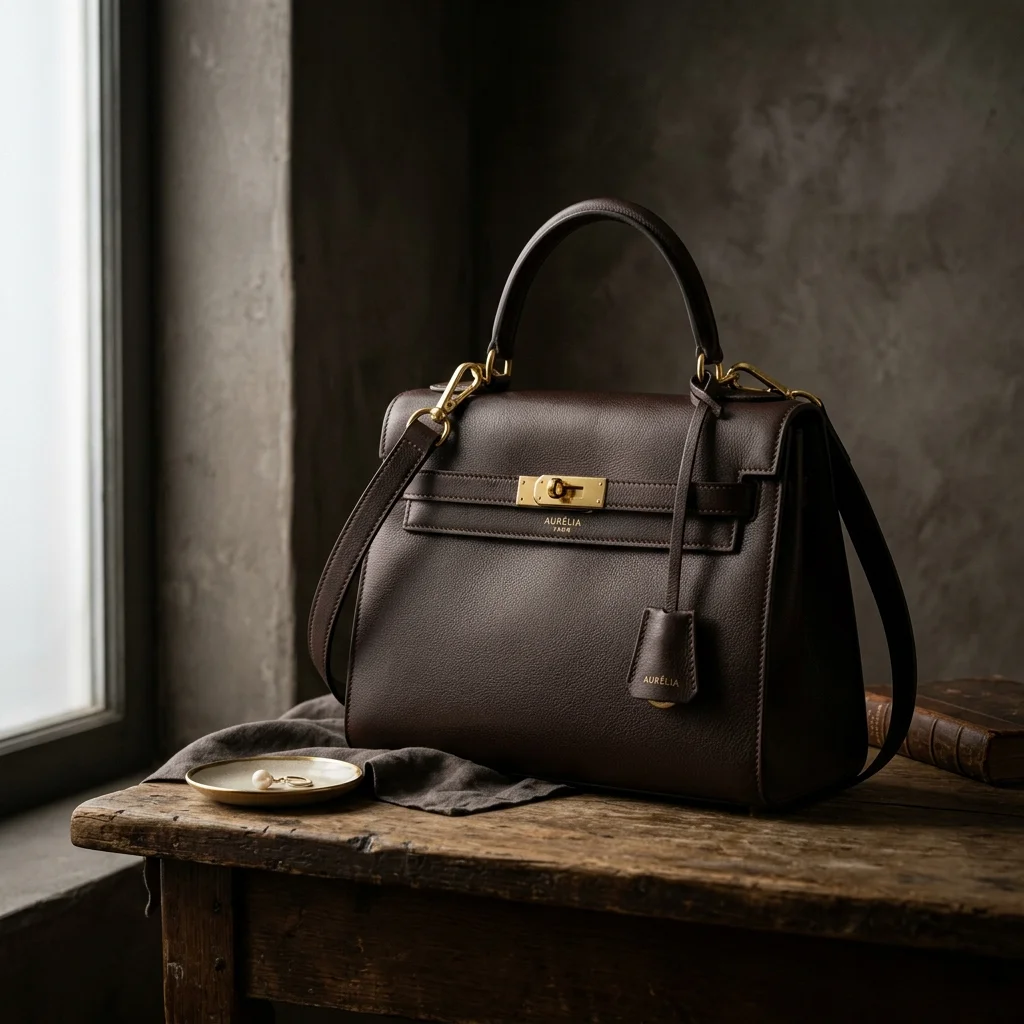
AI product photography solves this problem entirely. Using supplier-provided images as reference material, AI photography services can generate studio-grade, unique product imagery — white-background hero shots, lifestyle scenes, and ad creative — without you ever touching the physical product.
AI product photography
Want a practical recommendation for your product?
Share the product, sales channel, deliverables, and timing. Pixelense will recommend the clearest scope without changing the published starting rates.
The Dropshipper's Photography Problem
Dropshipping's core advantage — no inventory — is also its biggest visual disadvantage. Traditional e-commerce brands photograph their own products. Dropshippers can't. This creates several compounding problems:
- Supplier images are generic: The same photos appear on hundreds of competing Shopify stores. Zero visual differentiation.
- Quality is inconsistent: Supplier images vary wildly in lighting, background, and resolution. Your store looks unprofessional when products have mismatched visual styles.
- No lifestyle imagery: Supplier catalogues rarely include the styled, contextual imagery that drives conversion on Shopify and social media ads.
- Copyright risk: Using supplier images without explicit permission can expose you to copyright claims — a growing issue as suppliers crack down on unauthorised usage.
- Testing requires samples: Traditional advice says "order a sample and photograph it yourself." But when you're testing 20 products to find 2 winners, ordering 20 samples is expensive and slow.
How AI Photography Works for Dropshippers
The workflow for dropshippers is designed around the constraint that defines the model — you don't have the product in your hand. You provide whatever reference imagery you do have: the supplier's catalogue shots, screenshots from their website, the manufacturer's marketing photos, or in some cases just clear photographs of competing listings of the same item. From those references we work out the product's shape, proportions, colour and finish, and any distinguishing features that need to carry through into the final imagery.
From there you describe the styling and context you want — a minimalist desk setup, a cosy living-room scene, a clean white background for the Shopify listing card — and within roughly twenty-four to forty-eight hours you have a set of original, unique-to-your-store product images that look like they were shot for your brand specifically. None of your competitors have them. They're consistent with whatever visual identity you're building, whether that's minimal, bold, or lifestyle-driven.
Visual Differentiation: Your Strongest Competitive Advantage
In dropshipping, where multiple sellers offer the same products at similar prices, visual differentiation is often the only meaningful way to stand out. Two stores selling the same LED desk lamp at $39 — one using the supplier's blurry catalogue photos, the other showing the lamp in a beautifully styled home office scene with warm, professional lighting — will have dramatically different conversion rates.
AI photography enables this differentiation at scale. For every product you list, you can generate unique lifestyle imagery that positions the product within an aspirational context your target audience connects with. This isn't just prettier pictures — it's a measurable competitive moat.
Product Testing at Speed
Successful dropshipping requires testing many products quickly. The traditional approach — order sample, wait for shipping, photograph it, create listing, run ads — takes 2–3 weeks per product. AI photography compresses this to 24–48 hours:
- Find a promising product on your supplier platform
- Submit supplier reference images to Pixelense
- Receive professional listing and ad images within 24 hours
- Launch the listing and test ads immediately
This speed advantage means you can test 5 products in the time it previously took to test one. For a business model built on finding winners quickly, this acceleration is transformative.
Building a Branded Dropshipping Store
The dropshipping stores that succeed long-term are the ones that build genuine brands — not the ones that look like obvious middlemen selling generic products. Visual consistency is the foundation of brand building, and AI photography enables dropshippers to create a cohesive visual identity across their entire catalogue:
- Consistent lighting style across all products — every listing looks like part of the same brand
- Consistent environmental context — all lifestyle images share a cohesive aesthetic
- Consistent composition — white-background images share the same camera angle, framing, and whitespace
This consistency is what separates a "$50/month hobby store" from a "$10,000/month brand." Customers trust stores that look professionally produced. AI photography makes that professional production accessible without inventory overhead. Learn more about building visual consistency in our guide to consistent product photos without a photographer.
Print-on-Demand: A Perfect Use Case
Print-on-demand sellers face an even more acute version of the photography problem: the product doesn't exist until someone orders it. You can't photograph a t-shirt with your custom design because no physical t-shirt exists yet.
AI photography can generate realistic, styled images showing your design on the actual product — your artwork on a t-shirt in a lifestyle context, your pattern on a phone case being held, your illustration on a mug on a styled desk. These images are dramatically more convincing than flat digital mockups and drive significantly higher conversion rates.
Getting Started
Whether you're running a dropshipping store on Shopify, selling print-on-demand on Etsy, or building a branded e-commerce business, AI photography removes the inventory barrier from professional product imagery. Contact Pixelense to discuss your dropshipping photography needs — we understand the unique constraints of no-inventory business models and design our workflow accordingly.
AI product photography
Request a project-fit review for your next image set.
Share the product, sales channel, deliverables, and timing. Pixelense will recommend the clearest scope without changing the published starting rates.